
Whether you realise it or not, people are forming opinions about you in seconds, and often before they read a single word you’ve written. Your corporate headshot plays a far bigger role in that judgement than most professionals expect.
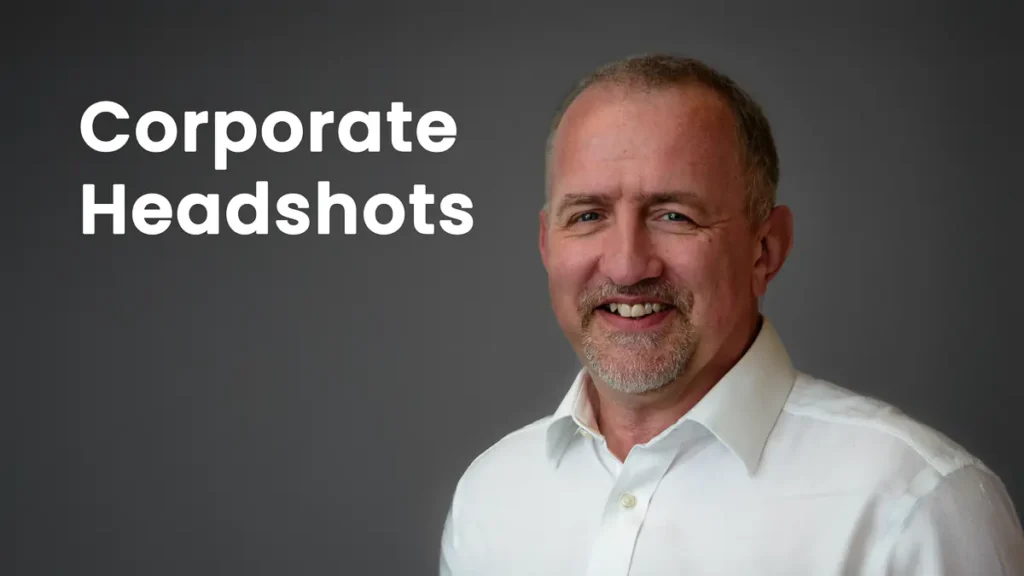
A corporate headshot is often the first impression someone has of you in a professional context. Before a conversation takes place, before a meeting is booked, and often before a CV is read in detail, people will have already formed an opinion based on a single image.
In modern business, that image appears everywhere. On LinkedIn profiles, company websites, email signatures, proposals, press releases, and internal systems. Whether you are a business owner, senior leader, sales professional, or job applicant, your headshot quietly communicates who you are and how you should be perceived.
This article explains what corporate headshots really are, why they matter commercially, and how to approach them strategically rather than as a one-off photo. Written from the perspective of a corporate headshot photographer working across Yorkshire, it’s designed to help professionals make better decisions about their own headshots, and to understand what separates a genuinely professional image from something that merely looks acceptable.
For professionals and businesses across Yorkshire, that first impression is now formed long before a conversation ever takes place.
- What Are Corporate Headshots (and Why They’re Different from Casual Photos)
- The First Impression Problem (How Quickly Judgements Are Made)
- What a Corporate Headshot Communicates About You
- Corporate Headshots vs Casual Headshots (When Each Works and When It Doesn’t)
- Business Headshots for Different Roles and Industries
- Why LinkedIn Headshots Matter More Than Any Other Platform
- Common Mistakes People Make with Corporate Headshots
- What Makes a Corporate Headshot Look Professional
- When It’s Time to Update Your Corporate Headshot
- How to Choose the Right Corporate Headshot Photographer
- Corporate Headshots as Part of a Personal Branding Strategy
- Final Thoughts on Corporate Headshots in Modern Business
What Are Corporate Headshots (and Why They’re Different from Casual Photos)

A corporate headshot is designed to communicate professionalism, credibility, and approachability at a glance.
A corporate headshot is not simply a good photograph of your face.
It’s a deliberately crafted image designed to communicate professionalism, credibility, and intent in a business context.
Unlike casual portraits or lifestyle photos, corporate headshots are created with a specific purpose in mind: to represent you in environments where decisions are made quickly and often without context. Think LinkedIn profiles, company websites, pitch decks, press releases, and professional directories. In all of these spaces, your headshot is standing in for you before you ever speak.

Corporate headshots don’t have to feel rigid, but they are always intentional.
This is why corporate headshots differ fundamentally from informal photos taken on a phone, at a social event, or even during a general portrait session. Casual images may capture personality, but they often lack the visual cues that signal competence and trust in a professional setting.

Not all great portraits work as corporate headshots — context matters.
A well-executed corporate headshot considers:
- Lighting that flatters without distracting
- Expression that feels confident, open, and intentional
- Clothing that aligns with industry expectations
- Backgrounds that support the subject rather than compete with them
- Cropping and framing optimised for digital platforms
Every decision is made to remove ambiguity. The viewer shouldn’t be guessing whether the image is appropriate for business use. It should be immediately clear.
Another key difference is consistency. Corporate headshots are often created as part of a wider visual system — whether that’s a leadership team, a company brand, or an individual’s long-term personal brand. Casual photos rarely achieve this level of coherence.
In short, corporate headshots are not about looking “nice”.
They are about looking right for the context in which you’re being judged.
The First Impression Problem (How Quickly Judgements Are Made)
First impressions are formed far more quickly than most people realise. In many professional contexts, those judgements happen almost instantly — often before a conversation begins and sometimes before a person even realises they are making one.

First impressions are formed in seconds, often before a conversation ever begins.
When someone encounters your corporate headshot, they are not consciously analysing lighting or composition. Instead, their brain is scanning for signals. Is this person credible? Do they seem confident? Do they look approachable and trustworthy? These assessments happen automatically, based on visual cues developed through years of social and professional experience.
This matters because modern business interactions are increasingly front-loaded.
Before replying to an email, accepting a LinkedIn connection, shortlisting a candidate, or deciding whether to explore a website further, people often glance at a profile image first. That single image becomes a shortcut for deciding whether to proceed.
A strong corporate headshot reduces friction at this stage. It reassures the viewer that they are dealing with a professional, allowing them to move on to what really matters — skills, experience, and communication. A weak or inappropriate image, by contrast, introduces doubt. Even if that doubt is subtle, it can be enough to slow momentum or prompt a viewer to disengage.
This is not about superficial judgement or appearance in the aesthetic sense. It’s about visual clarity. When a headshot aligns with the expectations of a professional context, it removes uncertainty. When it doesn’t, the viewer is left to question whether the person behind the image understands the environment they are operating in.
In that sense, corporate headshots don’t create trust — but they can very easily undermine it if they’re poorly executed or out of context.
What a Corporate Headshot Communicates About You
A corporate headshot does more than show what you look like. It communicates a set of signals about who you are and how you operate in a professional environment — often before you have the chance to explain that for yourself.
Viewers rarely articulate these signals consciously, but they still respond to them. From a single image, people begin forming impressions about credibility, confidence, approachability, and trust. These impressions influence whether someone feels comfortable engaging with you, working with you, or taking the next step.

Corporate headshots often communicate credibility before any conversation takes place.
Credibility is one of the strongest signals a corporate headshot can convey. A clean, well-lit image with a simple background suggests professionalism and competence. It tells the viewer that you take your role seriously and understand the expectations of the business environment you work in.
Confidence is communicated through posture, expression, and eye contact rather than exaggerated gestures. A relaxed but intentional stance, combined with a natural expression, suggests self-assurance without arrogance. This is particularly important in leadership, consultancy, and client-facing roles, where confidence needs to feel calm and assured.
Approachability plays an equally important role. An image that feels too rigid or overly formal can create distance, even if it is technically polished. The most effective corporate headshots balance professionalism with warmth, signalling that the person is not only capable but also easy to work with.
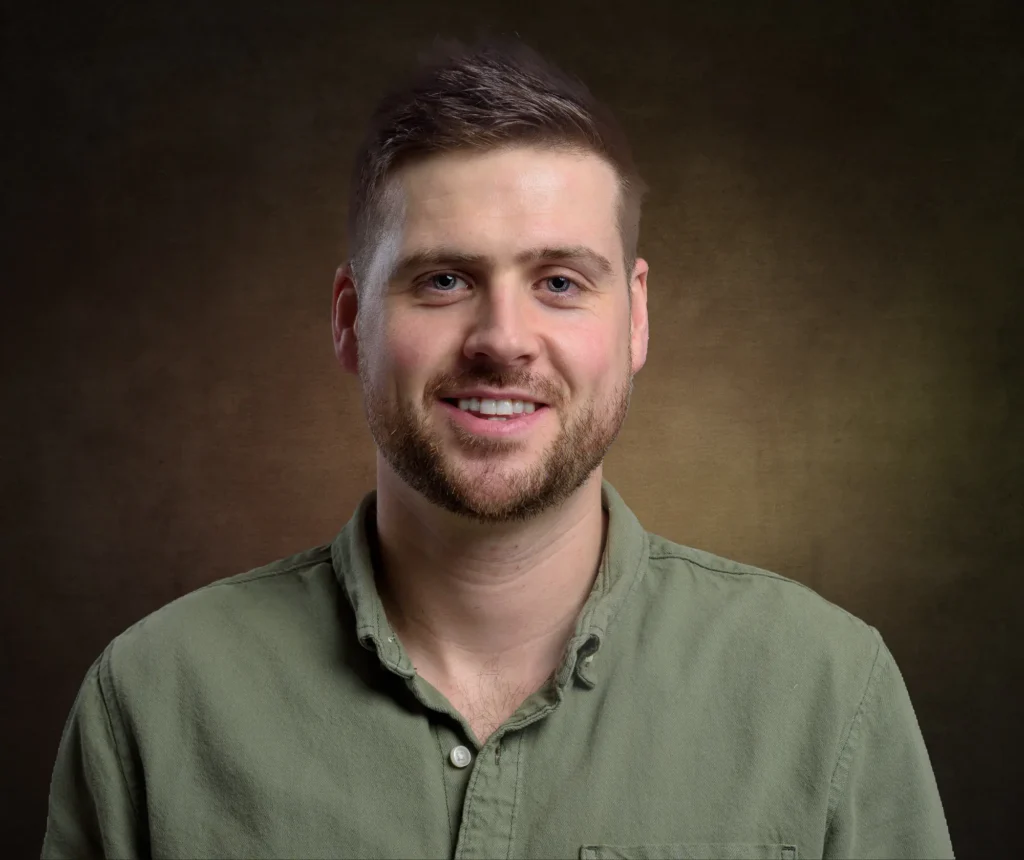
The strongest corporate headshots balance professionalism with warmth and approachability.
There is no single “correct” look for a corporate headshot. What matters is alignment. When the image supports the role, industry, and audience expectations, it reinforces trust rather than raising questions.
Corporate Headshots vs Casual Headshots (When Each Works and When It Doesn’t)
Not every professional image needs to be a corporate headshot. Casual portraits and more relaxed photography styles can absolutely have a place — but only when they are used in the right context.

Corporate headshots are designed for environments where professionalism and trust are expected.
The key difference between corporate headshots and casual headshots is intent. Corporate headshots are designed to operate in environments where professionalism, credibility, and trust are expected as a baseline. Casual headshots prioritise personality, mood, or relatability, and often assume a level of familiarity that may not yet exist.
This distinction becomes important when you consider how and where an image will be seen. Corporate headshots are most effective on LinkedIn profiles, company websites, proposals, and press materials — places where viewers are forming rapid judgements with limited context. In these settings, clarity matters more than character.
Casual headshots can work well in situations where the audience already knows you, or where informality is part of the brand. Creative industries, internal team pages, blogs, or personal websites may benefit from a more relaxed approach. The risk arises when a casual image is used in a context that demands authority or reassurance. In those cases, the image can unintentionally undermine the message you’re trying to communicate.

Casual headshots can be effective in the right context, but they carry different signals.
There is also a third category worth acknowledging: highly stylised or fashion-led portraits. These images can be visually striking and technically excellent, but they are rarely suitable for corporate use. When styling, lighting, or expression becomes the focus, professionalism can be overshadowed by personality or aesthetic choices.

Highly stylised portraits can be striking, but they are rarely suitable for corporate headshots.
Understanding when each style works — and when it doesn’t — allows professionals to make deliberate choices rather than relying on whatever image happens to be available.
Understanding this distinction is central to making effective decisions about corporate headshots in professional settings.
Business Headshots for Different Roles and Industries
There is no single, universal style that works for every professional headshot. The most effective business headshots are those that reflect the role, industry, and expectations of the audience viewing them.
A headshot for a business owner or senior leader often needs to project confidence, authority, and experience. These images tend to be more formal, with controlled lighting and a composed expression that suggests decision-making responsibility and credibility.




Different roles and industries place different demands on a professional headshot — from corporate leadership to client-facing sales or consultant professionals to creative business owners.
By contrast, professionals in sales, consultancy, or client-facing roles may benefit from a slightly softer approach. Here, approachability and trust are just as important as competence. A headshot that feels open and natural can help lower barriers and make initial contact feel easier.
Industry also plays a significant role. Expectations in finance, law, or corporate services are typically more conservative, while creative or technology-driven sectors often allow for a more relaxed visual style. The key is not to follow trends, but to understand what will feel appropriate and reassuring to the people you want to engage.
Job applicants and career changers face a slightly different challenge. Their headshot needs to signal professionalism and readiness, without overstating seniority. In these cases, clarity, simplicity, and a current, well-presented image are more important than making a bold statement.
What all of these scenarios have in common is intent. A strong business headshot is chosen — not accidental. When the image aligns with role and industry expectations, it quietly supports credibility and helps the viewer focus on experience and capability rather than questioning suitability.
Why LinkedIn Headshots Matter More Than Any Other Platform
LinkedIn is the most image-sensitive professional platform most people use, whether they realise it or not. Unlike a company website or a proposal, where context and content help frame perception, LinkedIn often presents your headshot before anything else has been properly read.
In search results, connection requests, comments, messages, and profile previews, your headshot is frequently the first (and sometimes only) piece of information a viewer absorbs. That means it carries disproportionate weight in shaping how credible, approachable, and relevant you appear in a professional setting.
This matters because LinkedIn is not a passive platform. People use it to make decisions. They decide whether to accept a connection request, reply to a message, explore a profile, or take someone seriously — often in seconds. In that environment, a corporate headshot acts as a visual filter. It either reassures the viewer that they are dealing with a professional, or it introduces hesitation.
Unlike some other social platforms where informality is expected, LinkedIn operates with a shared but often unspoken standard of professionalism. A headshot that feels too casual, outdated, or inconsistent with someone’s role can quietly undermine the message they are trying to convey — even if the written content is strong.
Another important factor is scale. LinkedIn compresses images aggressively. Profile photos are displayed small, often circular, and frequently viewed on mobile devices. This places a premium on clarity, expression, and simplicity. Busy backgrounds, subtle expressions, or overly stylised lighting can lose their effectiveness once reduced to thumbnail size.
A strong LinkedIn headshot is therefore not just “a good photo”. It is a photo that reads well quickly, at small sizes, and without context. It should communicate professionalism immediately, without requiring interpretation.
For many professionals, LinkedIn is the primary place where first impressions now happen. That’s why the headshot used there often matters more than any other version of the same image elsewhere.
This is also why corporate headshots feature so prominently in professional conversations on LinkedIn — they’re often the first visual cue people use to decide whether to engage further.
Common Mistakes People Make with Corporate Headshots
Most issues with corporate headshots are not technical. They come from misunderstanding context, intent, or how images are actually used in professional settings.
One of the most common mistakes is using an image that feels too casual. Photos taken at events, outdoors, or on phones can look perfectly fine in isolation, but when placed on LinkedIn or a company website they often lack the visual cues that signal professionalism. The result is not necessarily a negative impression — but it can introduce hesitation where none is needed.
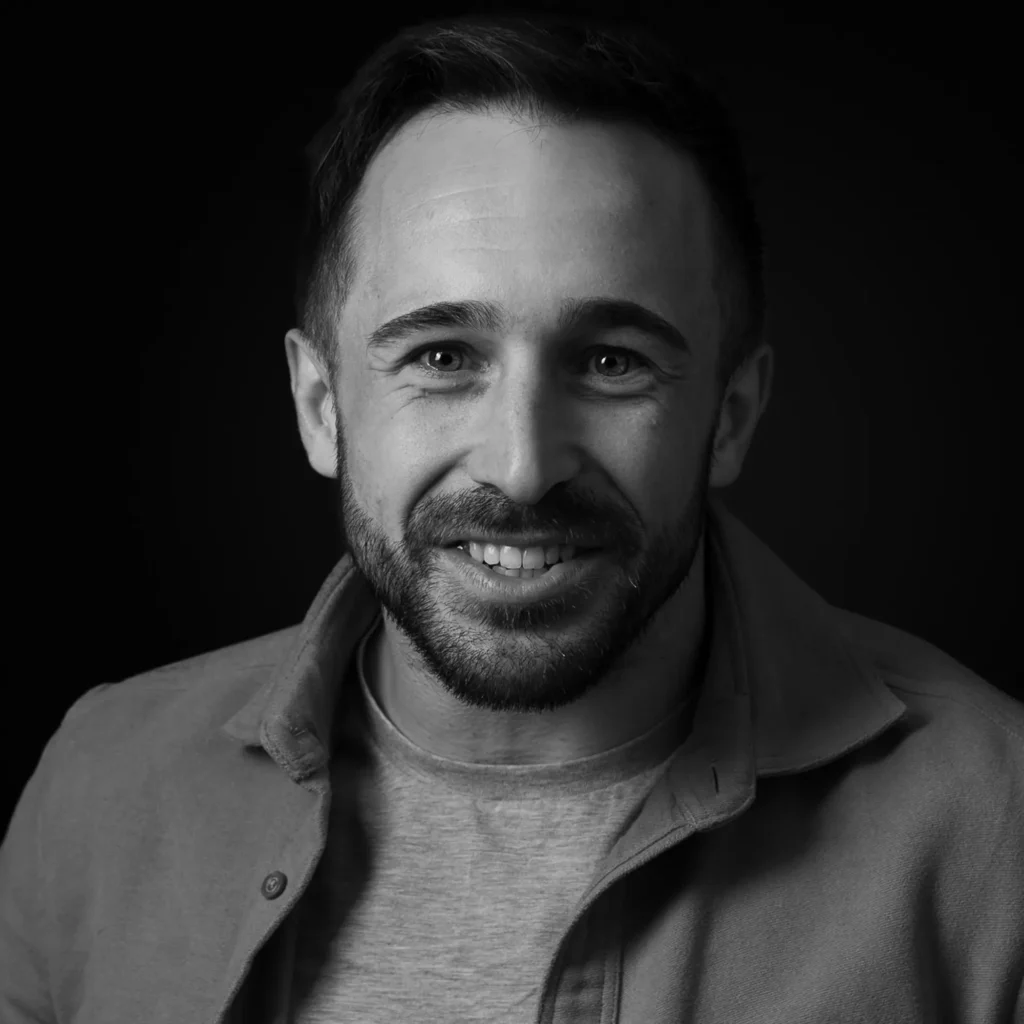
Casual images can work socially, but often fall short in professional settings.
Another frequent issue is over-styling. Dramatic lighting, bold colour choices, heavy makeup, or fashion-led poses can draw attention to the image itself rather than the person. While these approaches can work in editorial or creative contexts, they rarely support corporate communication. In business settings, clarity usually matters more than impact.

Outdated headshots are also surprisingly common. An image that no longer reflects how someone looks, dresses, or presents themselves can create disconnect. Even if the photo was professionally taken at the time, it may no longer align with current roles or responsibilities, which can subtly undermine credibility.
Poor framing and cropping is another overlooked problem. Corporate headshots are viewed in small formats — often circular — especially on LinkedIn and mobile devices. Images that are loosely framed, poorly cropped, or rely on subtle expressions can lose effectiveness when reduced in size.
Perhaps the biggest mistake of all is treating a corporate headshot as a one-off task rather than a strategic decision. When the image is chosen simply because it exists, rather than because it fits the context, it stops working as a professional asset.
What Makes a Corporate Headshot Look Professional
A professional corporate headshot is rarely defined by a single element. Instead, it’s the result of several factors working together to create clarity, credibility, and consistency.
One of the most important is lighting. Professional lighting should flatter without drawing attention to itself. It needs to shape the face gently, avoid harsh shadows, and maintain a natural skin tone. When lighting is too dramatic or uneven, it can distract from the person and introduce an unintended mood that doesn’t suit a business context.
Expression is equally critical. A corporate headshot should feel intentional but natural. Overly serious expressions can appear unapproachable, while exaggerated smiles or forced poses can undermine credibility. The most effective expressions sit in the middle — relaxed, confident, and appropriate to the individual’s role.

The most effective corporate headshots balance confidence with approachability.
Background and framing are often underestimated. In professional settings, the background should support the subject, not compete with them. Simple, uncluttered backgrounds help the viewer focus immediately on the person. Clean framing and thoughtful cropping also ensure the image works well across platforms, particularly where profile images are displayed small or cropped to a circle.

Simple backgrounds help keep attention where it belongs — on the person.
When these elements are aligned, the headshot stops calling attention to itself. Instead, it quietly does its job — reinforcing professionalism and allowing the focus to remain on the person’s skills, experience, and message.
Taken together, these elements are what separate corporate headshots from general portrait photography and make them effective in professional business contexts.
When It’s Time to Update Your Corporate Headshot
A corporate headshot is not something that lasts indefinitely. As roles, responsibilities, and personal presentation evolve, the image representing you professionally needs to keep pace.
One clear signal that it’s time for an update is when your headshot no longer looks like you. Changes in hairstyle, glasses, facial hair, or general appearance can create a disconnect between expectation and reality. When someone meets you in person or on a video call, that gap can quietly undermine trust.
Career progression is another common trigger. A headshot taken when you were earlier in your career may no longer align with a leadership role, a shift into consultancy, or a move into a more senior or client-facing position. As responsibilities change, the visual message you send should change with them.
Context also matters. A headshot that once worked well on a company website may not translate effectively to LinkedIn, speaking engagements, or personal branding. If your professional presence has expanded, your imagery may need to be more intentional and versatile.
Time alone can be a factor. Even without obvious changes, styles, expectations, and visual standards move on. An image that is several years old can begin to feel dated, not because it’s poor quality, but because it reflects an earlier moment professionally.
Updating a corporate headshot isn’t about vanity or chasing trends. It’s about ensuring that the image representing you still supports how you want to be perceived — clearly, confidently, and accurately.
How to Choose the Right Corporate Headshot Photographer
Choosing a corporate headshot photographer is less about style and more about understanding. The most important question is not whether you like their images, but whether they understand the context in which your headshot will be used.
A good corporate headshot photographer should be able to explain why they make certain decisions. Lighting, background, framing, and expression should all be intentional, not habitual. If a photographer can only show one look applied to every subject, it may indicate a lack of adaptability rather than a clear style.
Experience with business clients matters. Photographing professionals is not the same as photographing models or creatives. Business clients often need guidance, reassurance, and direction — especially if they are not comfortable in front of a camera. A photographer who understands this will focus as much on the experience as the technical setup.
Consistency is another key factor. If you are commissioning headshots for a team or planning to use the images across multiple platforms, the photographer should be able to deliver a cohesive set of images rather than a collection of unrelated portraits. This consistency is what helps businesses present themselves professionally and confidently.
A related consideration is how a photographer manages lighting over time. In a business setting, headshots are rarely a one-off exercise. Teams change, people join, and images need to be updated. An experienced corporate headshot photographer will document and replicate lighting setups so that a new team member photographed months or even years later can be matched seamlessly to existing images. This attention to consistency is what prevents a set of headshots from slowly becoming disjointed as a business grows.
It’s also worth considering how the photographer approaches usage. Corporate headshots are rarely used in just one place. A photographer who understands LinkedIn, company websites, press use, and internal communications will produce images that work across formats and crops, rather than forcing you to adapt later.
Finally, trust your instincts. A good corporate headshot photographer should ask questions about your role, your industry, and how the images will be used. If the conversation focuses only on time slots, packages, or poses, that’s often a sign that the bigger picture is being missed.
Corporate Headshots as Part of a Personal Branding Strategy
A corporate headshot is rarely viewed in isolation. It sits alongside your name, your role, your experience, and your reputation — forming part of a broader personal brand whether you actively manage it or not.
Personal branding is often misunderstood as self-promotion. In reality, it’s about clarity and consistency. It’s the cumulative impression people form as they encounter you across different professional contexts. Your headshot plays a key role in that process because it provides a visual anchor for everything else you say and do.
When your headshot aligns with your role and industry, it reinforces your message quietly. A leadership role supported by a confident, composed image feels credible. A consultant or advisor supported by an approachable, professional image feels accessible. When the visual signal matches the verbal one, trust builds more easily.
Problems tend to arise when there is a mismatch. An image that feels too casual, outdated, or inconsistent with how someone presents themselves professionally can create friction.
Even subtle disconnects — such as a headshot that no longer reflects current responsibilities — can undermine an otherwise strong personal brand.
A considered corporate headshot also brings consistency across platforms.
In some cases, corporate branding can also play a subtle role. Background tones or styling that sit comfortably within a company’s colour palette can help reinforce brand consistency, particularly for leadership teams or client-facing roles.
The emphasis should always remain on the person, however. When branding elements are used, they work best when they are understated and supportive rather than overt or distracting.
LinkedIn, company websites, speaking profiles, press features, and email signatures all benefit from using the same or closely related imagery. This repetition isn’t redundancy — it’s reinforcement. Over time, people begin to recognise you visually as well as by name.
Seen in this way, a corporate headshot isn’t just a photograph. It’s a long-term asset that supports recognition, credibility, and trust as your career or business evolves.
Final Thoughts on Corporate Headshots in Modern Business
Corporate headshots have become a quiet but influential part of modern professional life. As business interactions increasingly begin online, the image representing you often does more work than you realise.
A strong corporate headshot isn’t about perfection or performance. It’s about alignment. When your image reflects your role, your industry, and how you want to be perceived, it removes friction and allows the focus to stay on what really matters — your experience, expertise, and communication.
Throughout this article, one theme has remained consistent: intent. Effective corporate headshots are chosen deliberately, not opportunistically. They take into account context, audience, platform, and longevity rather than trends or personal preference alone.
Whether you’re updating an existing image, commissioning headshots for a team, or thinking more strategically about personal branding, the goal is the same. The right headshot should support trust, clarity, and professionalism without drawing attention to itself.
When approached deliberately, corporate headshots become part of a wider professional system rather than a one-off image choice.
In a world where first impressions are increasingly visual, a considered corporate headshot is no longer optional. It’s part of how modern business is done.
If you’re considering updating yours, you can see how my headshot sessions work here.